What Buyers Should Know Before Ordering a Synchronization Panel
A growing factory has two generators. Each can support part of the plant, but a new production line needs more power than either unit can provide alone. Can the business simply connect both generators to the same load?
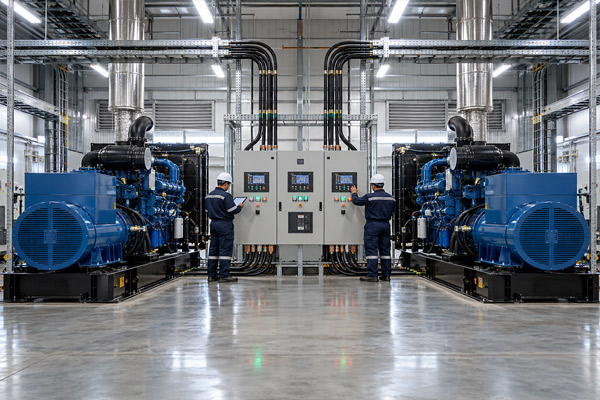
No. Generators must be matched and controlled before they can operate together. Their electrical output needs to be synchronized, and the load must be shared in a controlled way. The system also needs to respond if one unit stops or demand changes. Generator control systems use synchronization, load sharing, protection, and monitoring for these jobs. A Synchronization Panel Supplier can help plan this system, but the best starting point is your site’s operating need. Here is what to decide before asking for a proposal.
Decide Why the Generators Must Run Together
Some sites need more power than one generator can supply. Others want several units so they can match the number running to the current load. A facility may also want to keep part of its power available while one generator is out of service.
These goals lead to different designs. Tell the supplier whether the generators will serve a site without grid power, provide backup during an outage, or support another operating arrangement. Say which loads are essential and whether large motors start during generator operation.
Do not assume that adding a second unit automatically gives you a backup. If both generators are needed to carry the normal load, losing one may require some equipment to switch off. Ask how the system will handle that event.
Share the Details of Every Generator
A useful quotation needs more than the total kVA you want. List each generator’s make, model, rating, voltage, frequency, controller, and operating condition. Include the engine and alternator details where available.
This is especially important when the units are different sizes or brands. The supplier needs to assess whether their controls can work together and how they will share load. Existing generators may need changes to controls, protection, or breakers before they can join a new system.
Send a current single line electrical drawing if you have one. If you do not, ask for a site survey. A drawing and load records can reveal connection limits that are easy to miss in a phone conversation.
Ask How the System Handles a Changing Load
Picture a quiet shift with one production line running. Later, more machines start and demand rises. Ask what the system will do at each point. Will another generator start automatically? When can it connect? What happens when demand falls again?
The answer should include how loads are shared and what happens if a generator cannot start or takes more load than planned. Cummins describes generator paralleling controls as covering synchronization, load sharing, protection, metering, and monitoring. These functions are useful topics to review in a supplier proposal.
If your operation has loads that must start in a set order, explain that too. The panel and the wider electrical system should be planned around how the site actually works.
Check the Scope Behind the Panel Price
A panel quotation may cover the cabinet and components but leave other work to your team. Ask for a clear scope that names the required breakers, controls, communication links, cabling, protection, installation, and commissioning.
Find out whether the proposal includes changes to existing generators. Confirm who will prepare the drawings and who will connect the system to your main distribution board. For sites planning future expansion, ask whether the design allows another generator to be added and what that would require.
Ask for a schedule as well. Work on an operating power system may need a planned shutdown, coordination with your electrical contractor, and access to each generator for testing.
Watch the System Work Before Handover
Commissioning should show more than two engines running at once. Agree on a test plan with the supplier and your electrical team before work begins. Have qualified personnel carry out the tests under conditions suitable for the site.
Ask to see each generator start, synchronize, connect, and take its share of load. Check the alarms and the response when a unit is unavailable. Review how the system behaves as demand rises and falls, and how it shuts units down when they are no longer needed.
Request the final drawings, control settings, test results, manuals, and a short demonstration for your operators. These records help your maintenance team understand the system long after installation.
Unique Power Solutions lists synchronization panels among its generator control components and offers turnkey project work covering installation, testing, and commissioning. When you enquire, share your generator details, location, load pattern, and expansion plans so the proposed scope matches the site.
Conclusion
A synchronization panel is part of a complete power system. Before buying one, define why the generators need to run together, document each unit, and explain how your load changes during the day. A clear scope and witnessed commissioning tests will help you judge whether the finished system meets your needs.
Frequently Asked Questions
It may be possible, but their controls and load sharing arrangement need a technical review. Send both generators’ details to the supplier before requesting a design.
Possibly. The supplier must inspect their controllers, breakers, protection, and electrical compatibility. Some existing equipment may need modification.
Provide generator specifications, a site electrical drawing, peak and normal loads, operating purpose, location, and any plans to add more units.
No. It allows suitable generators to operate together. The usable system capacity depends on the connected units and the approved design.
That depends on whether the remaining unit can carry the load and how the controls are designed. Ask the supplier to explain and test this situation.
Ask for them as named items, along with drawings, settings, testing, and operator training. This makes the full project cost easier to compare.
A system can be planned for expansion, but future connections need suitable space, ratings, controls, and protection. Discuss expansion before ordering the panel.