How to Choose the Right Generator Capacity for Your Power Needs
Selecting the correct generator capacity is essential for maintaining uninterrupted power supply across commercial, industrial, and critical applications. A generator that is too small may overload frequently, while an oversized unit can increase fuel consumption and operational costs. Understanding Generator By Capacity helps businesses choose the right solution based on their actual power requirements, equipment load, and future expansion plans.
Unique Power Solutions provides generator solutions across different capacities, including diesel and gas generators designed for various industries such as manufacturing plants, hospitals, construction projects, data centres, and commercial facilities. The company offers generator solutions ranging from 15 kVA to 4 MW to support different power requirements.
Understanding Generator Capacity and Power Ratings
Generator capacity is generally measured in kVA (Kilovolt Ampere) or kW (Kilowatt). It represents the amount of electrical power a generator can produce.
The selection of generator capacity depends on:
- Total connected electrical load
- Starting power requirements of heavy equipment
- Type of application
- Required backup duration
- Future power expansion plans
- Operating environment
Industrial users often require higher-capacity generators because machinery, production systems, and critical equipment demand stable and continuous electricity.
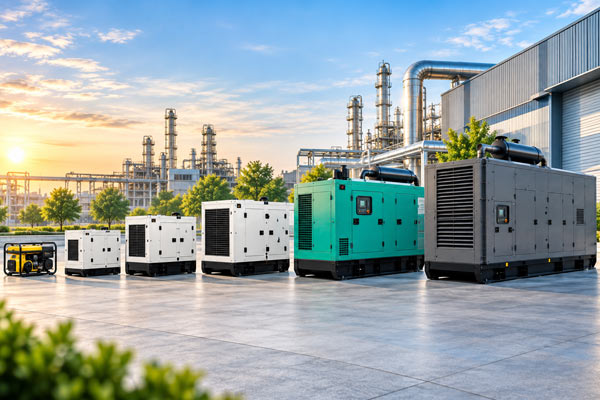
Different Generator Capacities Available for Various Applications
Small Capacity Generators 15 kVA to 50 kVA
Small capacity generators are suitable for:
- Small offices
- Retail stores
- Residential buildings
- Small commercial facilities
- Basic backup power requirements
These generators provide reliable emergency power where electricity demand is comparatively lower.
Medium Capacity Generators 62.5 kVA to 250 kVA
Medium-range generators are commonly used for:
- Manufacturing units
- Workshops
- Commercial buildings
- Educational institutions
- Small healthcare facilities
They provide sufficient backup power for lighting systems, computers, machinery, and essential equipment.
Heavy Duty Generators 300 kVA to 1000 kVA
Large capacity generators are designed for demanding applications such as:
- Large factories
- Industrial plants
- Construction sites
- Data centres
- Hospitals
- Infrastructure projects
These generators are built to handle higher loads and provide stable performance during extended operations.
High Capacity Generators Above 1000 kVA
High-capacity generator systems are suitable for large-scale power requirements, including:
- Heavy industries
- Oil and gas facilities
- Large commercial complexes
- Utility applications
- Large manufacturing operations
These systems are often integrated with advanced power management and turnkey solutions.
Factors to Consider Before Selecting Generator Capacity
Choosing the right generator is not only about selecting the highest available capacity. Businesses should evaluate their actual requirements.
Calculate Total Power Load
Identify all equipment, machinery, lighting systems, and electrical devices that need backup power. The total load calculation helps determine the required generator size.
Consider Starting Power Requirements
Some equipment, such as motors and industrial machines, require higher power during startup. The generator should handle these temporary power increases.
Evaluate Future Expansion
Selecting a generator with additional capacity can support future business growth without requiring immediate replacement.
Choose Between Standby and Prime Power
Standby generators are mainly used during power failures, while prime power generators are designed for continuous operation where grid power is unavailable.
Diesel and Gas Generator Capacity Solutions for Industries
Different industries have different power requirements. Diesel generators are widely used for heavy-duty applications because of their reliability and performance. Gas generators are preferred in applications where cleaner fuel solutions and continuous operation are required.
Unique Power Solutions provides diesel and gas generator options for industrial, commercial, and critical power applications. Their solutions include new generators, rental solutions, spare parts, and turnkey power projects.
Why Choosing the Correct Generator Capacity Matters
The right generator capacity helps businesses achieve:
- Reliable power backup
- Improved operational efficiency
- Reduced fuel wastage
- Better equipment protection
- Lower maintenance requirements
- Long-term cost savings
An accurately selected generator ensures smooth business operations without unnecessary power limitations or excessive operating expenses.
Conclusion
Selecting the right generator capacity is an important decision for every business requiring dependable power backup. From small commercial facilities to large industrial plants, generator capacity should be selected according to load requirements, application type, and future power needs.
Unique Power Solutions offers a wide range of generator solutions from 15 kVA to 4 MW, helping businesses find suitable power generation systems for their specific requirements. Contact the team today to discuss your generator capacity needs and get a customised power solution.
Frequently Asked Questions
The right generator capacity depends on your total electrical load, equipment requirements, startup power needs, and future expansion plans.
Industrial factories usually require medium to high-capacity generators depending on machinery load, production requirements, and operational hours.
kVA represents the apparent power capacity of a generator, while kW represents the actual usable electrical power output.
Hospitals generally require reliable medium to high-capacity generators because medical equipment needs continuous power backup.
Yes, businesses can select higher-capacity generators or integrate additional generator systems based on future power requirements.
Unique Power Solutions provides generator solutions ranging from 15 kVA to 4 MW for industrial, commercial, and critical applications.
The choice depends on application requirements, fuel availability, operating conditions, and desired efficiency. Both options are suitable for different power generation needs.