How to Plan Temporary Power Without Delaying Operations
A factory may need to switch off its main supply for maintenance. A construction project may start before its permanent connection is ready. An unexpected outage can leave a warehouse, hospital, or commercial site without power. In each case, the real question is more specific than “Which generator should we rent?” It is “What must keep running, and how quickly?”
Generator Rental Services give businesses access to temporary power for a defined period. A useful rental plan covers the equipment, the site connection, fuel, delivery, operating support, and removal. Thinking through these details early can prevent delays when the generator arrives.
Start With the Work That Cannot Stop
Make a list of essential loads before requesting a quote. These may include production machines, pumps, refrigeration, lighting, servers, or safety systems. Note which loads must run at the same time and which motors need extra power when starting.
Share your recent electricity demand records if available. An electrical contractor or rental specialist can use them alongside an equipment list to assess the load. The largest generator is not automatically the best choice. The unit needs to match the real operating pattern, including brief peaks and possible changes during the rental.
Also decide whether the generator will carry the full site or only critical equipment. Supplying selected loads may reduce the size and cost of the temporary setup.
Plan for the Type of Interruption
A planned shutdown gives your team time to arrange delivery, connections, testing, and a transfer schedule. Ask when the existing supply will be disconnected and who will approve the changeover.
An emergency requires faster decisions. Keep a current load list, site contact, access instructions, and electrical drawings where your team can find them. If continuous power is critical, discuss the transfer arrangement and the time your equipment can safely remain without supply. A rented generator alone does not guarantee an instant changeover.
Temporary power can also bridge a longer gap, such as a delayed grid connection or an equipment replacement. For a rental lasting weeks or months, fuel delivery, maintenance access, and daily running hours become especially important.
Compare the Whole Rental Quote
Two quotes for generators of the same capacity may cover very different services. Ask each provider to show what is included so you can compare the full cost.
Check the rental term, delivery and collection charges, installation scope, cables, distribution equipment, fuel arrangements, operator support, and service visits. Ask how extra running hours, extensions, and damage are charged. Confirm the response process if the unit develops a fault.
A lower equipment rate may still lead to a higher project cost if essential items are billed separately. A clear written scope helps both sides understand who is responsible for each part of the setup.
Check Whether the Site Is Ready
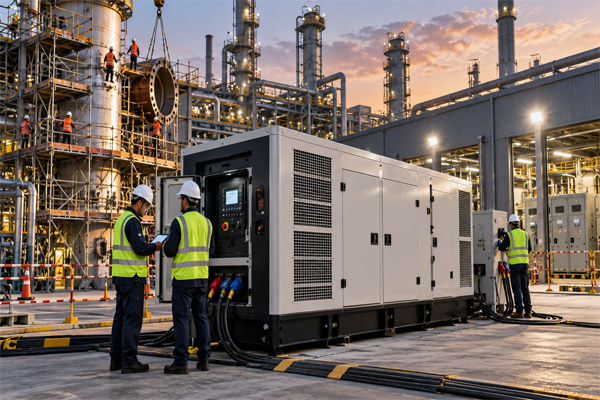
Before delivery, confirm that a vehicle can reach the installation point and that there is enough suitable space for the unit. The setup needs safe cable routes, ventilation, exhaust clearance, and access for refuelling and maintenance. Noise limits and site operating hours may also affect the choice of generator.
Have a qualified electrical professional review the connection and transfer method. They should confirm compatibility with the site’s voltage, phases, protection equipment, and earthing arrangement. Never connect a generator to a building supply without a properly designed transfer setup.
A site survey is especially useful when the generator must serve several buildings, sit far from the connection point, or operate near sensitive equipment.
Decide What Support You Need During the Rental
Some sites have trained staff who can monitor the generator. Others need a provider to handle operation, refuelling, and routine checks. Decide this before the rental begins.
Ask who monitors fuel levels, records running hours, and reports alarms. Find out who to call outside normal business hours and whether a replacement unit can be arranged if needed. For a planned shutdown, request a test before the main supply is switched off. For a longer rental, agree on maintenance visits that fit the site’s working schedule.
Unique Power Solutions offers rental options for temporary, emergency, and project based needs, including diesel and gas generator choices. Share your load details, location, and dates when contacting the team so they can discuss a suitable arrangement.
Conclusion
A successful generator rental begins with a clear picture of the load and the site. Define what must stay powered, choose the transfer plan, compare the full rental scope, and assign responsibility for fuel and support. These steps help you request a more accurate quote and prepare for a planned shutdown or unexpected interruption.
Frequently Asked Questions
Book as soon as the shutdown date is confirmed. This allows time for load review, a site survey, delivery planning, and a connection test.
Short rentals may be available, depending on the equipment and location. Ask for the minimum rental period and any delivery, setup, and collection charges.
Share the site address, rental dates, required voltage, equipment load, running hours, and whether you need cables, fuel, installation, or an operator.
It depends on the quote. Confirm who supplies fuel, how usage is measured, and who arranges refuelling during operation.
It can if the generator and connection are correctly sized and designed for the facility’s loads. A qualified professional should assess the site first.
Ask the provider about technical support, response times, and replacement arrangements before signing. Have a site contact ready to report any alarm or fault.
The right choice depends on fuel availability, rental duration, load pattern, and site requirements. Share these details with the provider before selecting a unit.